There are places that seem to belong entirely to one world.
Edinburgh isn't one of them.
Here, different worlds press up against each other. The ancient and the modern. The rational and the mysterious. The organic and the deliberately created. Dark closes and expansive Georgian squares. Medieval streets and Enlightenment thinking. Volcanic rock and human architecture. Myth, reason, imagination and invention.
Perhaps this is part of what gives Edinburgh its peculiar atmosphere. It is a city of contrasts, and the contrasts never quite resolve themselves. They coexist and co-create.
And for this reason, Edinburgh becomes exactly the right place for Creating Magic.
Two Cities in Dialogue
Stand in the centre of Edinburgh and you can see something remarkable.
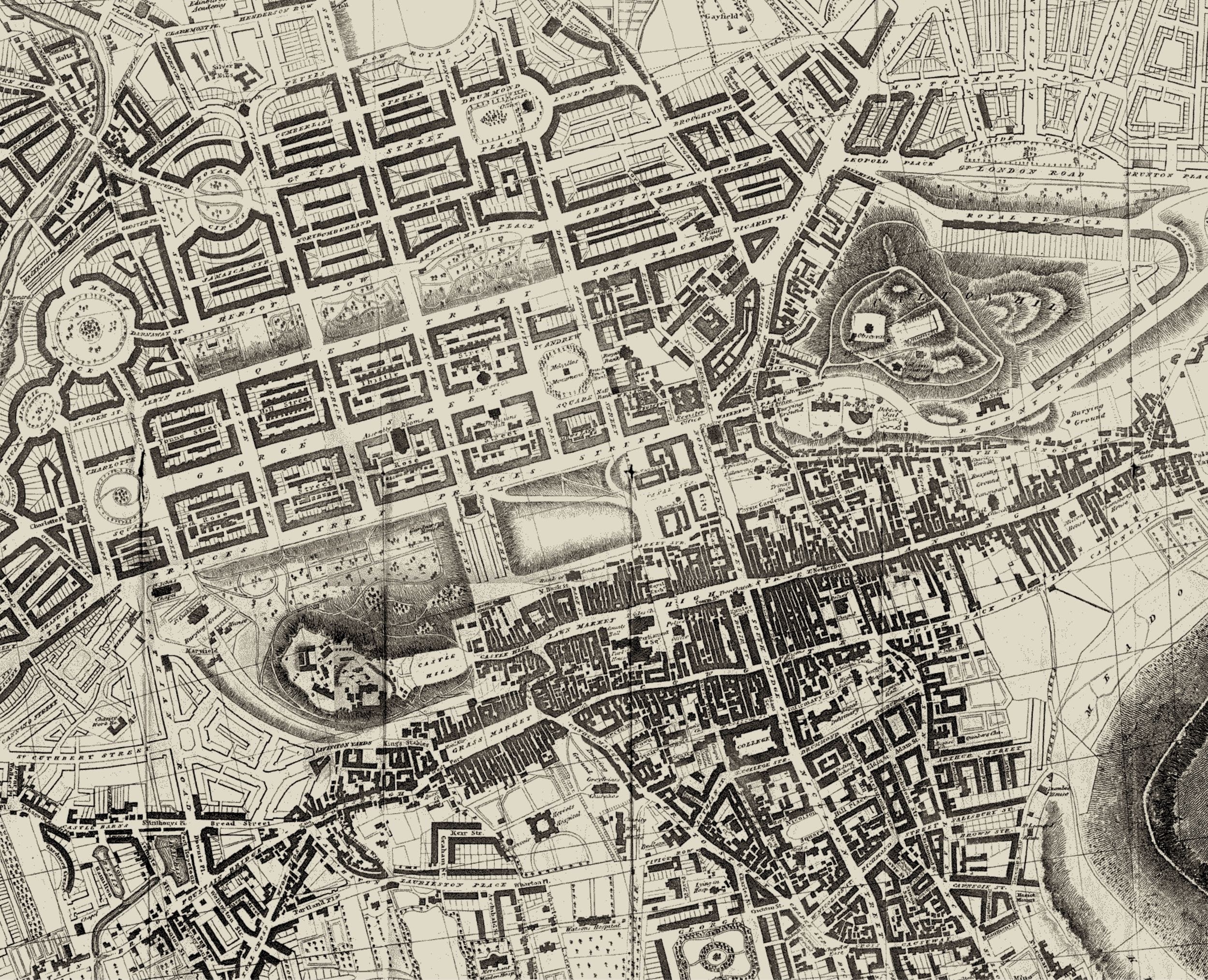
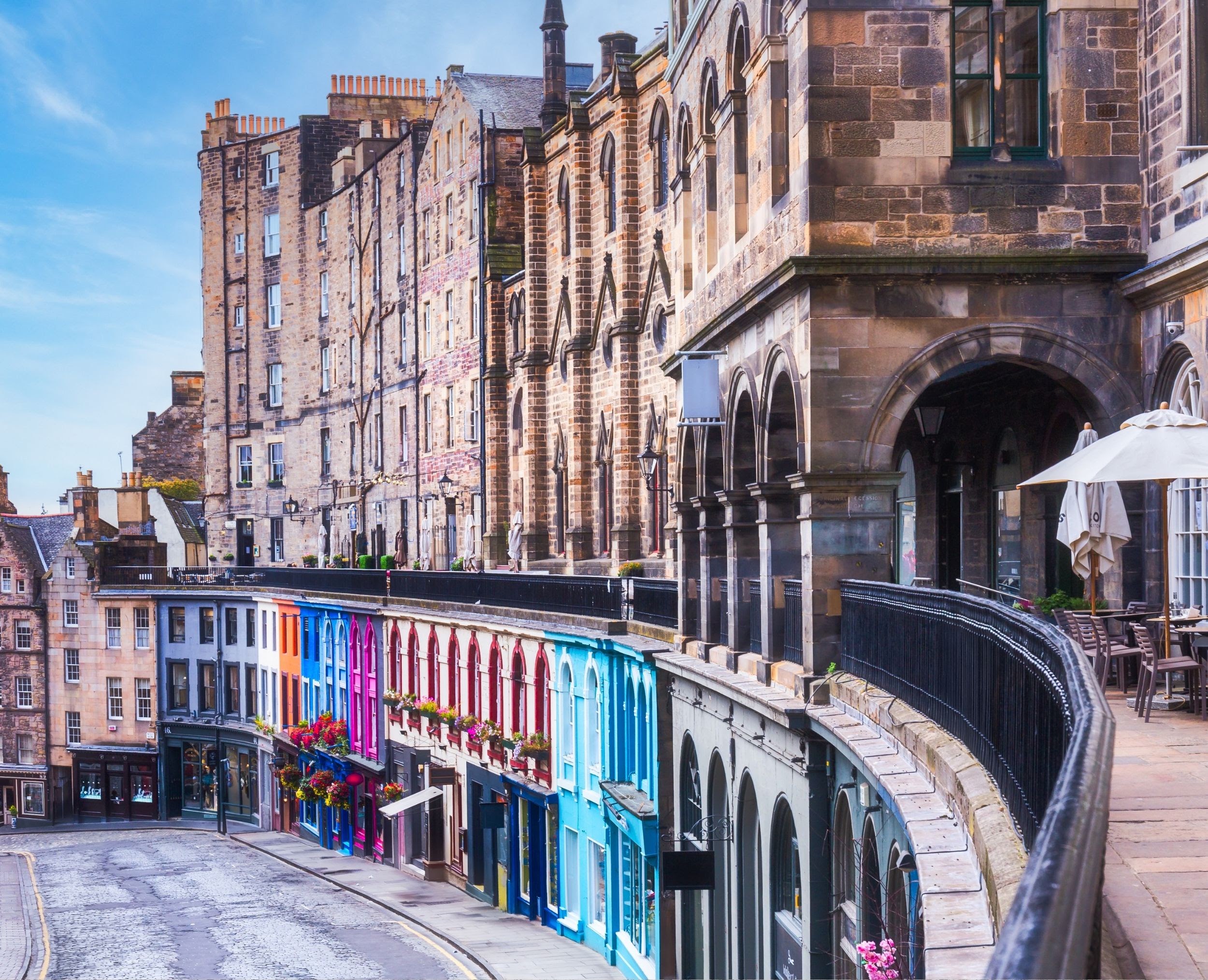
On one side is the Old Town: medieval, dense, irregular, labyrinthine. Buildings, closes and wynds accumulated over centuries, shaped by geography, necessity, accident and adaptation. It is a city that grew.
Facing it, across the valley, you find something quite different.
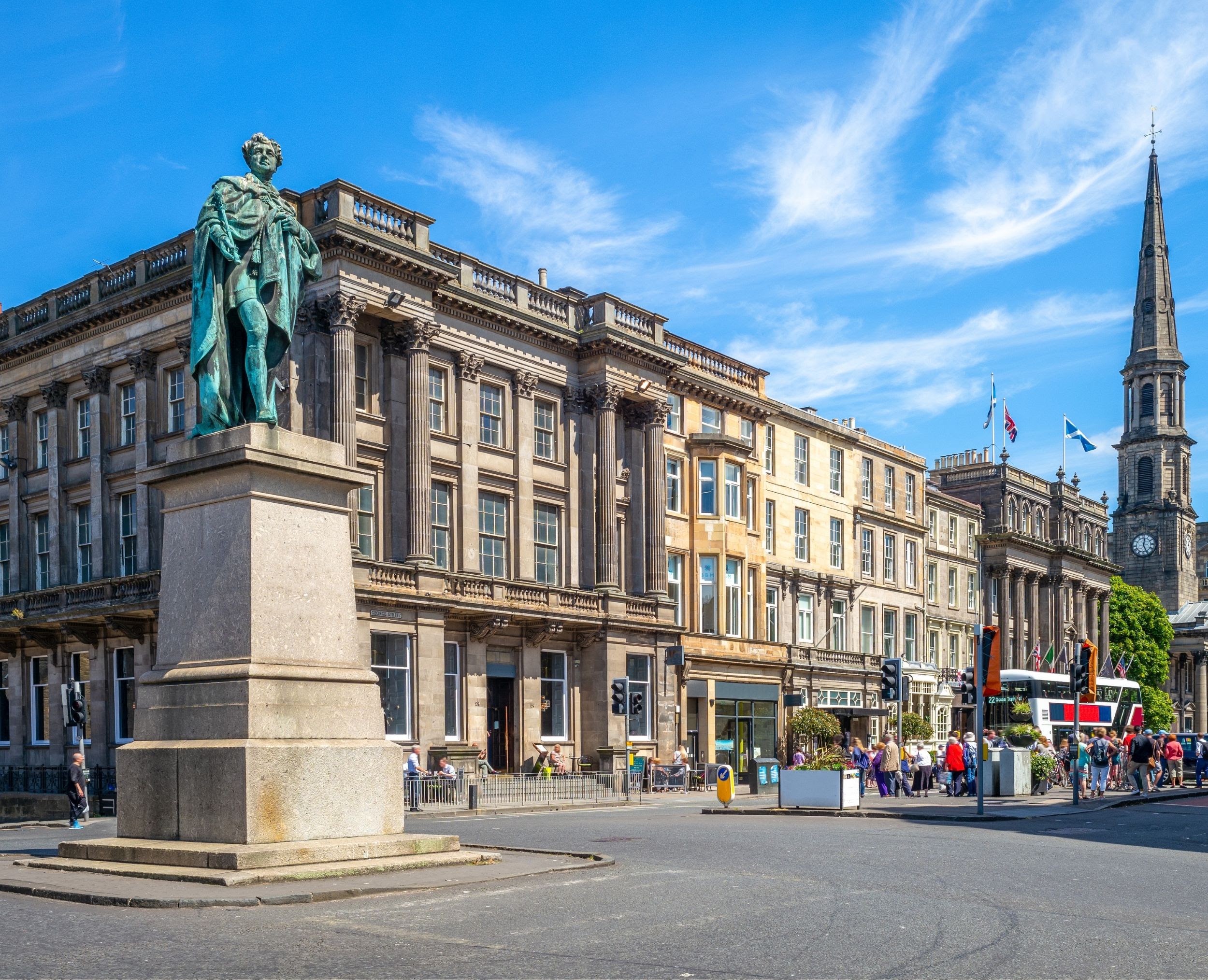
The New Town, birthed from an eighteenth-century act of imagination. Old Edinburgh had become crowded and constrained, and so another possibility was conceived: an ordered, spacious Georgian city built beyond the limits of the old one.
One city evolved.
Another imagined and realised.
And today they face each other... and interrelate.
There is something so apt in this confluence for the work we will be engaging with.
Because so much of human life is like the Old Town. We inherit structures. Ways of thinking accumulate. Identities develop. Habits form around habits. Assumptions become embedded within assumptions. We adapt to circumstances and gradually find ourselves inhabiting a reality whose architecture we rarely stop to witness.
And yet human beings possess another extraordinary capacity.
We can imagine what isn't here.
We can see differently.
We can reorganise.
We can create.
A City of Enlightenment
In the eighteenth century, Edinburgh became the intellectual centre of what would later become known as the Scottish Enlightenment.
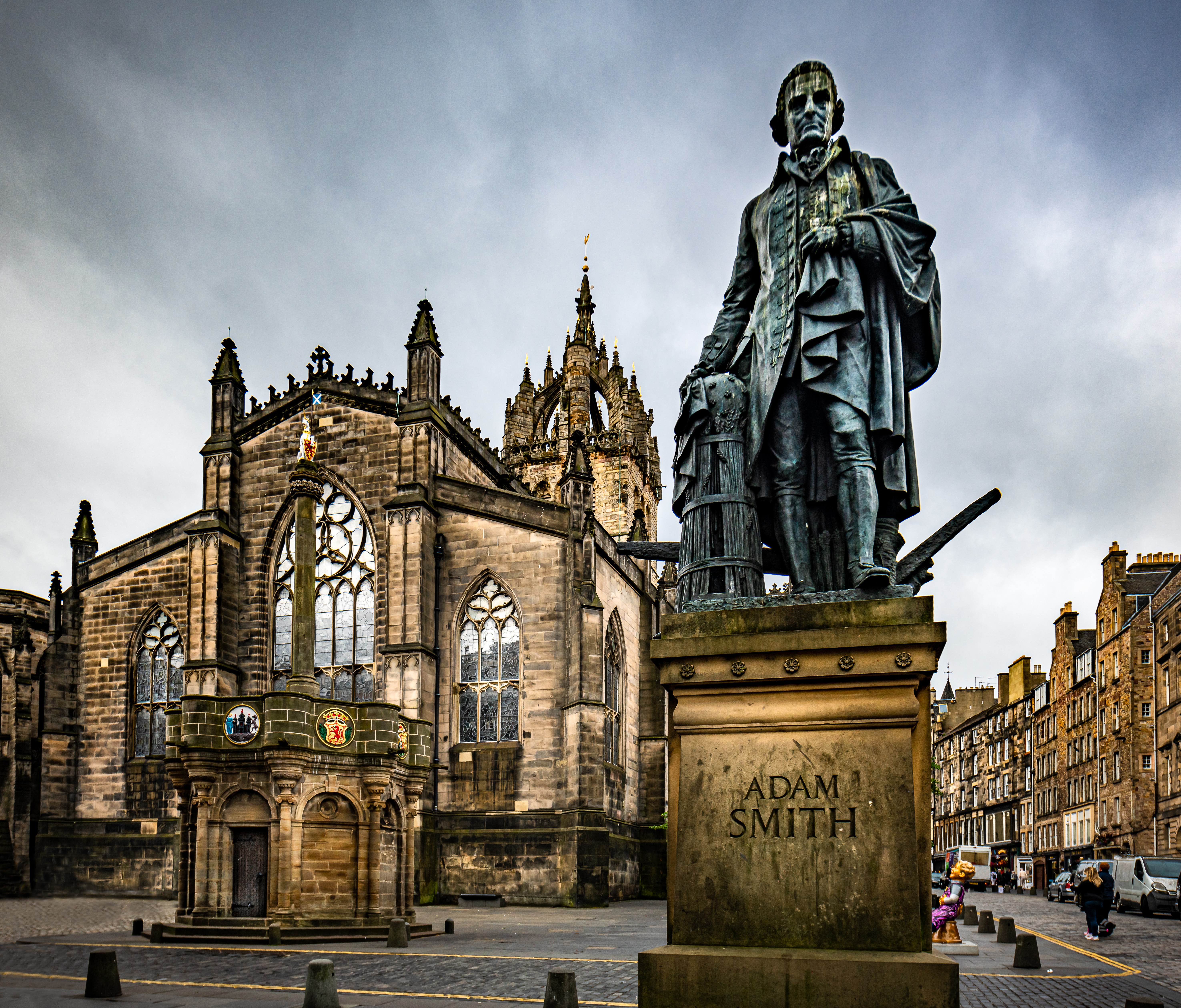
David Hume questioned some of our deepest assumptions about knowledge, causality and the self. Adam Smith transformed our understanding of economic and social life. James Hutton looked at the rocks beneath his feet and discovered evidence of formative processes operating across deep time.
These people did not simply add new facts to an existing paradigm.
They transformed the paradigm.
And when a paradigm shifts, the world shifts with it.
A rock can be merely a rock until someone learns to see geological time within it.
An economic exchange can be merely a transaction until someone sees the complex social system emerging through millions of such interactions.
Something we experience as an unquestionable feature of reality can suddenly become visible as an assumption we have been making about it.
Look differently and something different becomes possible.
This is one of the central moves of Ontic Agility.
Not deciding that reality is whatever we want it to be. Not abandoning discernment, evidence or reason. But recognising how profoundly our experience and participation are shaped by the distinctions through which we perceive.
Sometimes the most consequential change doesn't begin by changing the world.
It begins by discovering that the world wasn't quite what we thought it was.
But Edinburgh Was Never Only a City of Reason
And yet there is another Edinburgh entirely.
Walk away from the ordered streets and descend into the Old Town.
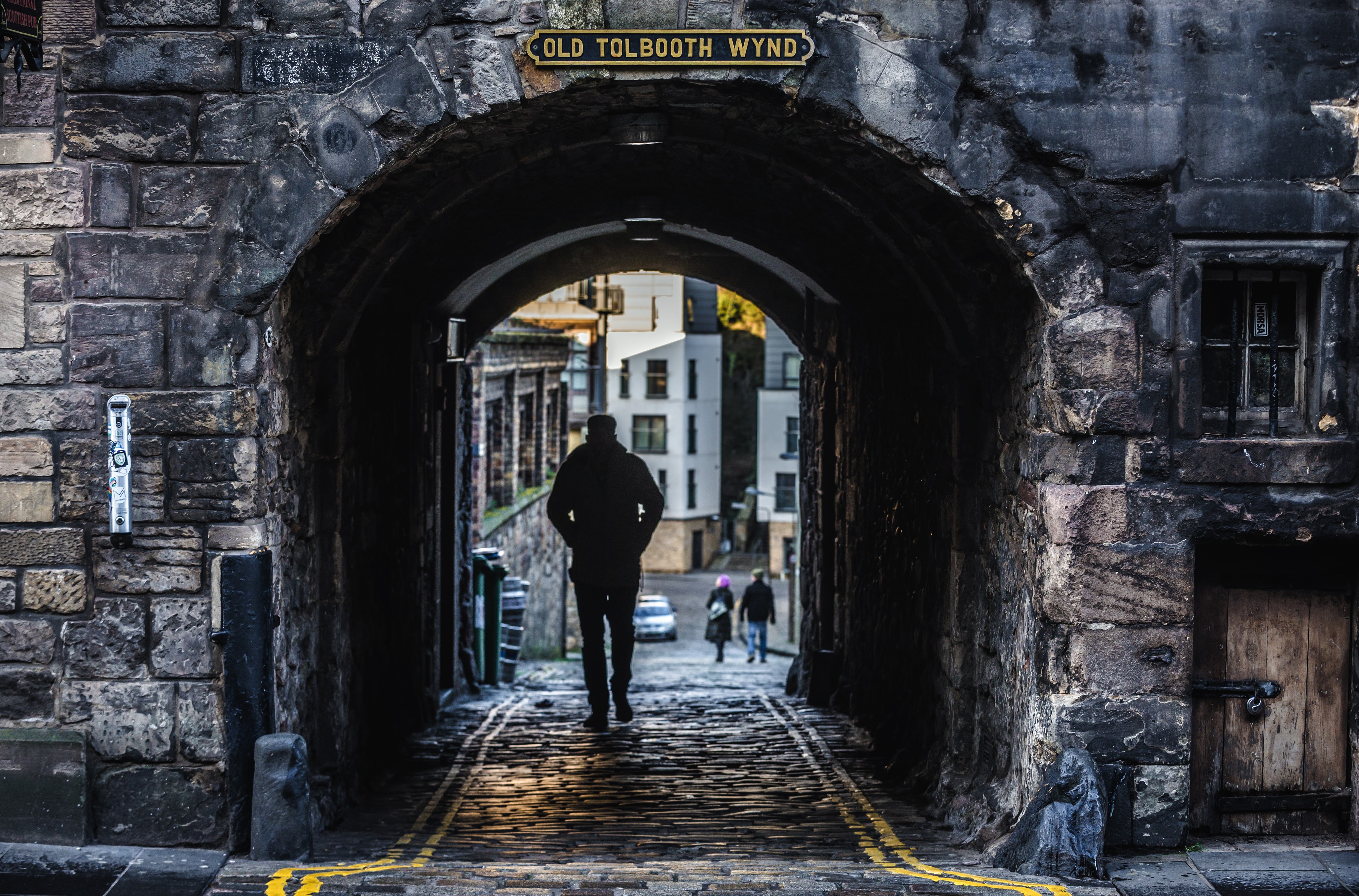
Stone staircases disappear between buildings. Narrow closes lead somewhere you cannot yet see. Graveyards sit among houses and churches. Stories accumulate around particular buildings and streets. Beneath parts of the city are chambers, vaults and remnants of lives that have disappeared from view.
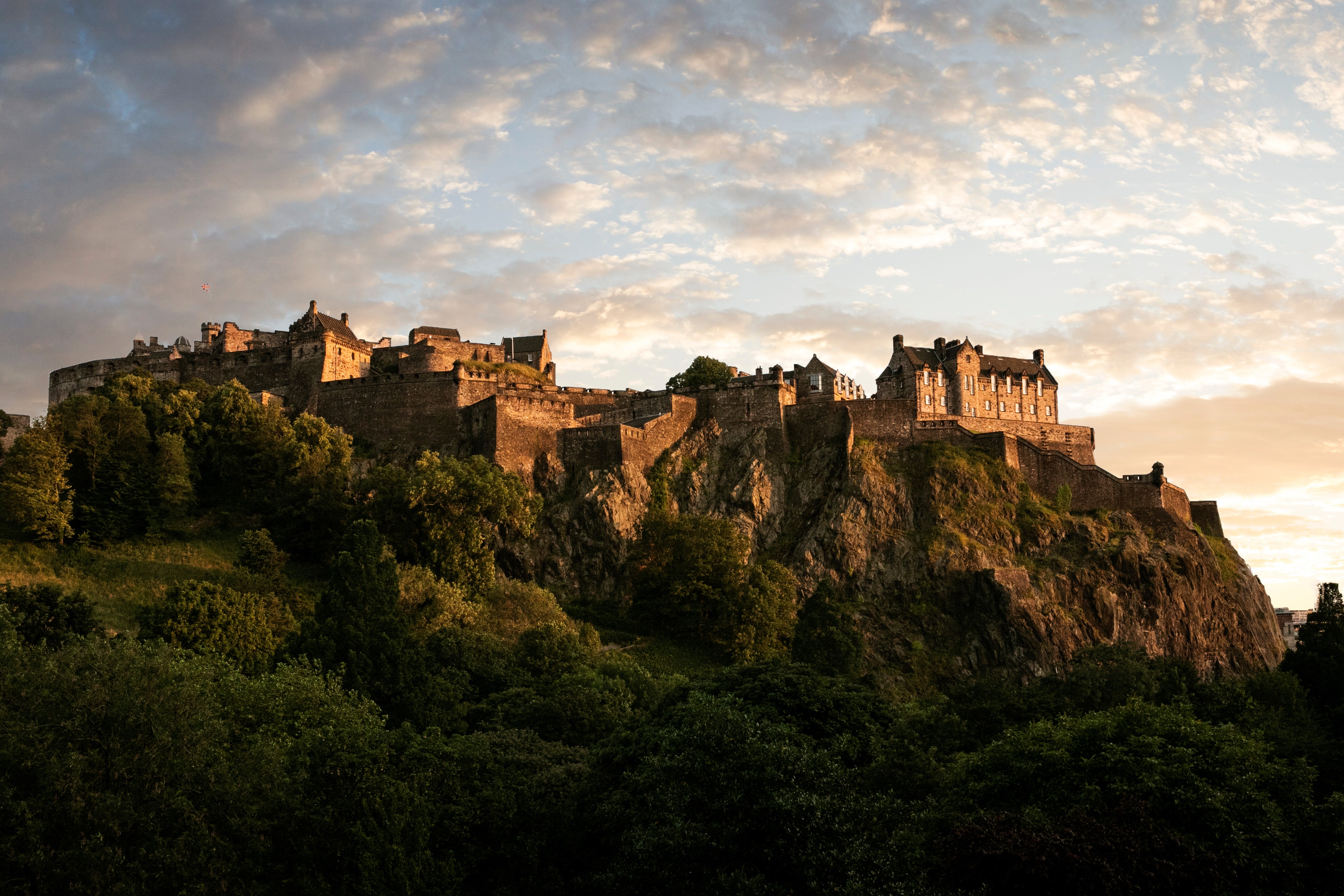
And above everything sits a castle built upon the remains of a long-extinct volcano.
Old Edinburgh is old — it has its ghosts, legends, superstitions, witches, mysteries and darker histories. It has inspired Gothic literature and fantastic stories. Even today, there are moments when the city seems to belong as naturally to imagination as it does to its unique geography.
Yes, the Enlightenment happened here, but it never quite disenchanted the place.
And perhaps this is where Edinburgh teaches us something profoundly important — reason and enchantment don't have to be enemies:
Mystery doesn't require credulity.
Wonder doesn't require superstition.
And real magic doesn't mean the supernatural.
The Reality of Magic
There is a version of magic that doesn't ask us to believe in forces operating beyond the natural world.
This is the magic that interests us — magic that happens within reality.
It appears within the conversation that changes the trajectory of a life.
In the seemingly intractable situation that suddenly yields possibilities no one could have foreseen.
In the meeting between two people where something emerges that neither could have produced alone.
When a small action propagates through a system and produces consequences wildly disproportionate to its size.
When coincidence arrives at precisely the moment we have become capable of recognising and using it.
When loosening our grip creates possibilities that greater force could never have produced.
When we stop trying to control the whole system and learn instead to participate intelligently within it.
And yes, there are perfectly sober ways of understanding all of these things.
Complex systems. Feedback. Emergence. Ecology. Cybernetics. Self-organisation. Nonlinearity. Recursive process.
But part of the trick of magic is to ensure that when we explain it we do not end up explaining it away.
This is why Creating Magic isn't primarily about developing a theory of magic. It is about entering into it, experimenting with it, and discovering what becomes possible from within it.
Creating Magic is absolutely something to be experienced, not merely understood. And this October, Edinburgh is where we will do exactly that.
The Magic of Participation
This points us towards a different conception of creation.
Some people conceptualise creation as nothing more than an act of will manifested in correct action:
Decide what you want. Make the plan. Apply sufficient force. Overcome resistance. Make reality conform.
Sometimes that works, but more often it ends up cutting against the dynamics of the system we need to create with.
Complex systems don't behave like machines, and other human beings don't work like pieces on a chessboard. Life contains too many interacting variables, too many strange feedback loops, too many unknowable interdependencies, and too many consequences we could never hope to predict.
And yet none of this makes us powerless.
It only means our truest power lies somewhere more interesting and subtle.
Generative participation.
How we attend.
How we respond.
How we explore.
How we test.
How we perturb.
How we invite.
How we release.
How we shift perspective.
How we expose ourselves to serendipity and create with what comes up.
Create anything with everything.
How to create the conditions from which possibilities emerge without needing to specify in advance exactly what those possibilities must be.
And oftentimes, what comes back transcends anything we could ever have planned for.
This is the ground in which we locate magic.
Not commanding reality.
Dancing with it.
A City Built Upon Deep Time
There is another layer beneath Edinburgh.
Literally.
Long before there was an Old Town or a New Town, before Enlightenment philosophers walked these streets, before there were Scots or kings or human beings at all, immense geological processes were shaping this place.
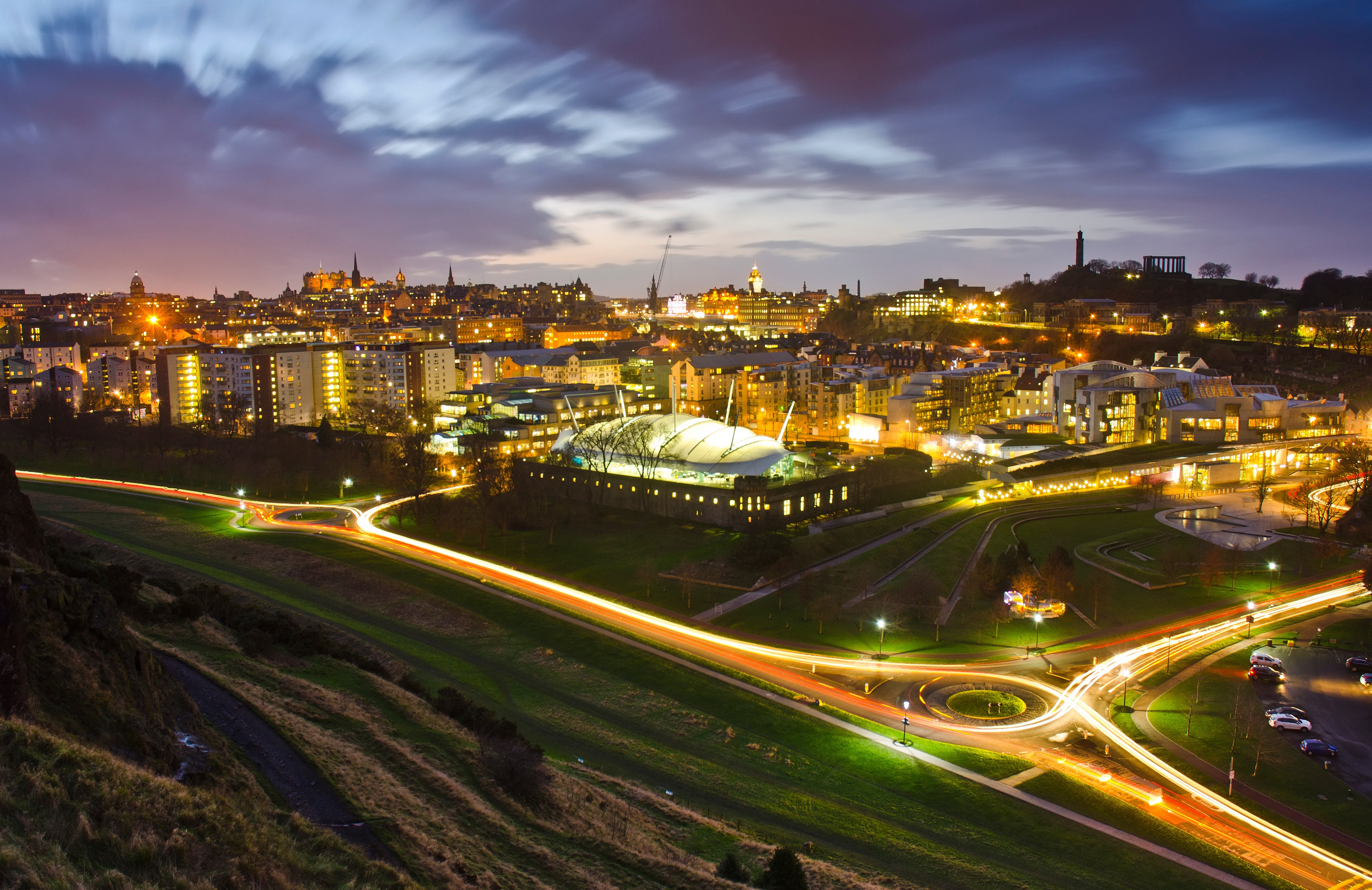
Castle Rock and Arthur's Seat are remnants of Edinburgh's volcanic past, their forms carved by immense glacial forces.
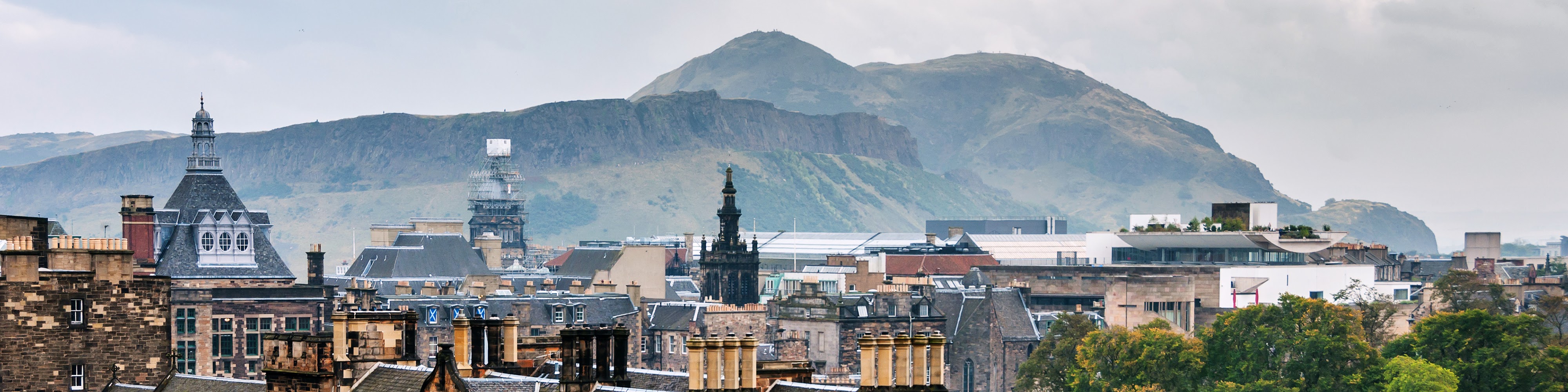
And so we can see Edinburgh as emergent from a long, deep-time process of creation.
Geological process creates a landscape.
Human beings inhabit that landscape.
Settlements emerge.
Buildings accumulate.
Cultures develop.
Ideas circulate.
People challenge those ideas.
New possibilities become imaginable.
New worlds are constructed within the old ones.
And though nobody is controlling the process, creation happens.
There is no single architect, only participation within participation, patterns within patterns, creation within creation.
A living ecology unfolding across radically different scales of time... and the city appears.
Between Worlds
And this is why Edinburgh is so right for Creating Magic.
It cannot be reduced to simple essence.
It is both medieval and Enlightenment.
Rational and mysterious.
Planned and emergent.
Natural and constructed.
Deeply ancient and always becoming.
It is a place where one world can be visible through another.
And Ontic Agility begins with something very similar: the recognition that the world we are inhabiting is never the only world available to us.
There are other layers.
Other ways of seeing.
Other ways of participating.
Other possibilities that become available when we loosen our certainty about what something is.
You don't make magic by replacing one rigid reality with another.
You make magic by interacting realities towards that which you are looking to create.
You attend. You participate. You dance. You create.
This is the nature of real magic, and real magic happens within 'the real'. Within the flow of time and process.
And for us, not some generic virtual space, but somewhere alive, vibrant and ancient.
We teach that you create anything with everything, so I guess we could have chosen anywhere.
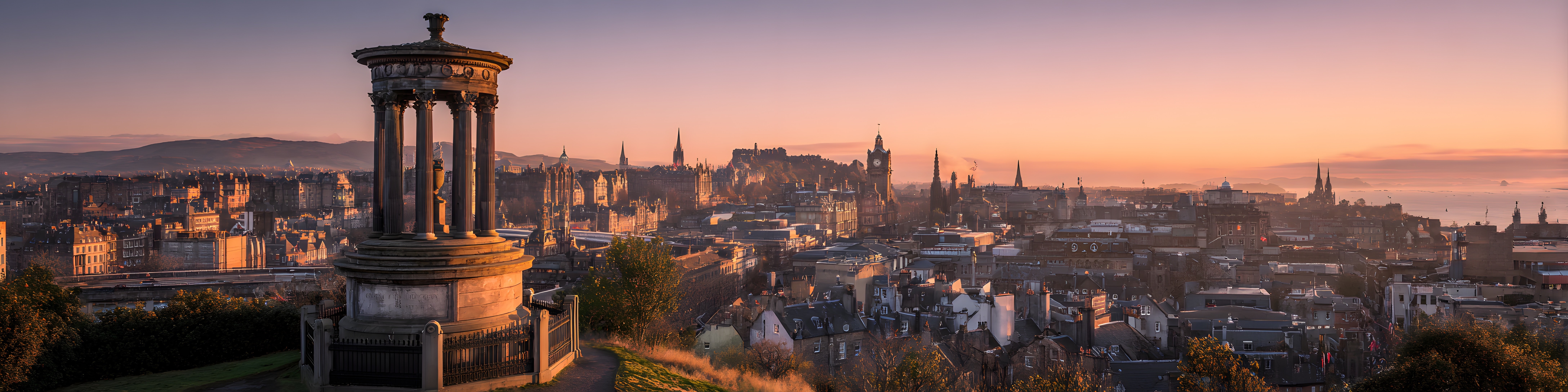
But we chose Edinburgh.
A city shaped by forces larger than itself. A city that grew organically and then imagined itself anew. A city of sceptics and storytellers, philosophers and ghosts, ancient stone and audacious ideas.
A city where Enlightenment never quite extinguished enchantment.
A city between worlds.
And for two days this October, a perfect place to explore what unfolds when we become truly free to create.