See the frame
Notice the meanings, identities and assumptions deciding what seems available.
Edinburgh / October 8-9, 2026 / 12 participants / £2,500
Create more of what matters with greater ease, freedom and aliveness.
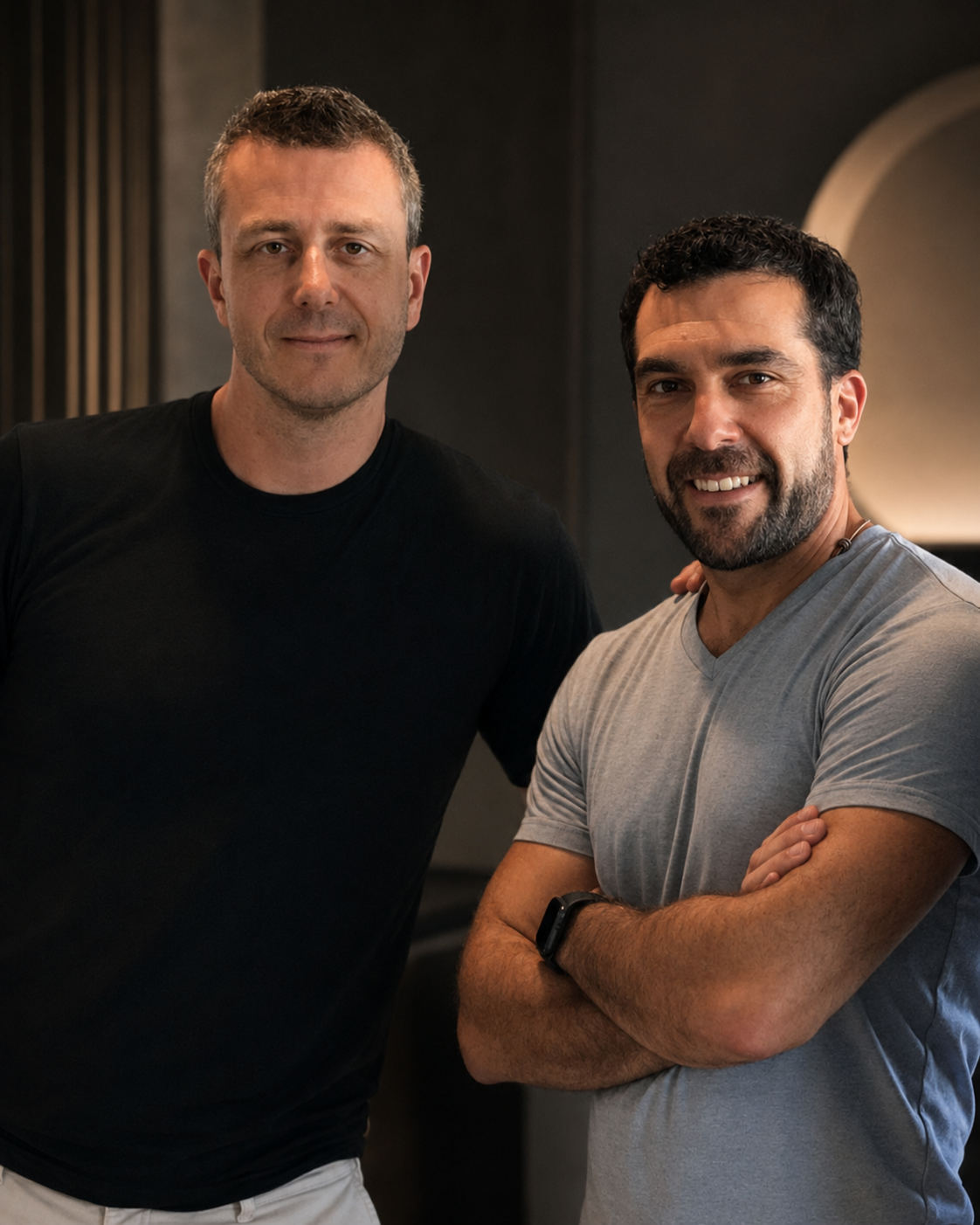
A two-day initiation into Ontic Agility with James Tripp and John Patrick "JP" Morgan, for people who already create results and suspect the next chapter may require more freedom than their current way of seeing allows.
Creating magically is the key to creating more of what matters with greater ease, freedom and aliveness, and it is possible through Ontic Agility.
The invitation
You may have become very good at creating from the reality you currently inhabit. That capacity is real. It may also be subtler than a cage and more persuasive than a belief: a practiced sense of what is possible, reasonable, available or wise.
A larger life begins to appear when that reality becomes more movable. More ways to enter a conversation. More ways to meet a failed plan. More freedom to make the bigger ask, risk the conversation, use what happens and create a life that matters personally.
The central capacity
A worldview. An identity. A relationship with failure. A quiet assumption about what is possible. When these remain invisible, they organize behavior from behind the scenes. Seeing them is only the beginning.
Ontic Agility is the capacity to enter another way of organizing reality sufficiently to discover what becomes possible from there, participate effectively from there and move again when useful.
Inside the frame, things simply look like "how things are." Once the frame becomes visible, the question changes: What else could this be? What other way could I enter this? What becomes possible from here?
Before this work had a name
James Tripp and John Patrick "JP" Morgan met around 2008 through a shared interest in magic, mentalism, hypnosis and street hypnosis. What began there became an unusually long, generative friendship.
Their conversations repeatedly altered how each of them saw themselves, other people and the world. Over time, the relationship became an informal developmental environment for both men. Creating Magic opens that conversation to twelve people for two days.
There is enough shared territory for deep communication and enough difference for friction, surprise and novelty. James and JP are not bringing a single correct model of reality. The conversation itself has been a practice in becoming less captive to any one model, including their own.
Years later, the magic has migrated from performance into life. This event invites twelve people into that eighteen-year conversation: perception, participation and what arises in the room.
A useful fracture
James's background in Daoism and Tai Chi made paradox natural to him. JP was strongly organized by a Western either/or worldview. James would sometimes offer a simple invitation:
Maybe it's both.
JP initially found this frustrating, almost cognitively impossible. Staying in the conversation eventually helped him see the worldview he had been subject to. Later, that shift changed something as practical as selling.
Self-interest and service stopped needing to compete. He could be fully committed to helping someone and fully committed to creating the sale, allowing the two intentions to dance together.
Possibility
A plan fails and you still have somewhere to go. A proposal is rejected and the conversation remains alive. A difficult exchange begins and you are not already trapped inside who you must be in it.
Failure becomes material rather than identity. Circumstances that once felt immovable begin to reveal edges, openings and invitations. Something you called reality starts to look like one reality you became highly practiced at inhabiting.
This is part of what "magic" means here. Not supernatural causation. Not pretending outcomes can be controlled. A different relationship with reality: one in which what happens can be met, entered, utilized and shaped into more of what matters.
What if "magic" wasn't an accident?
What changes
Resilience means you can withstand what happens. Ontic Agility adds range: whatever happens, you have somewhere else to go.
Notice the meanings, identities and assumptions deciding what seems available.
Enter another way of seeing, being or participating long enough to discover a new possibility.
Let rejection, uncertainty, interruption and failure become material rather than verdict.
Make the bigger ask, risk the conversation and act from the reality that makes more possible.
Client proof
JP's client Joseph saw himself as a blue-collar worker whose value came from trading time for money. JP helped him begin seeing his value in terms of the impact he created for people, with the amount of time required becoming largely irrelevant.
As that worldview changed, Joseph went from a packed work week to hardly working at all while his income doubled. His clients were happier. They met with him less frequently and paid him more.
I couldn't have done it without you because I just couldn't see it before meeting you.Reserve one of the twelve places
Lived proof
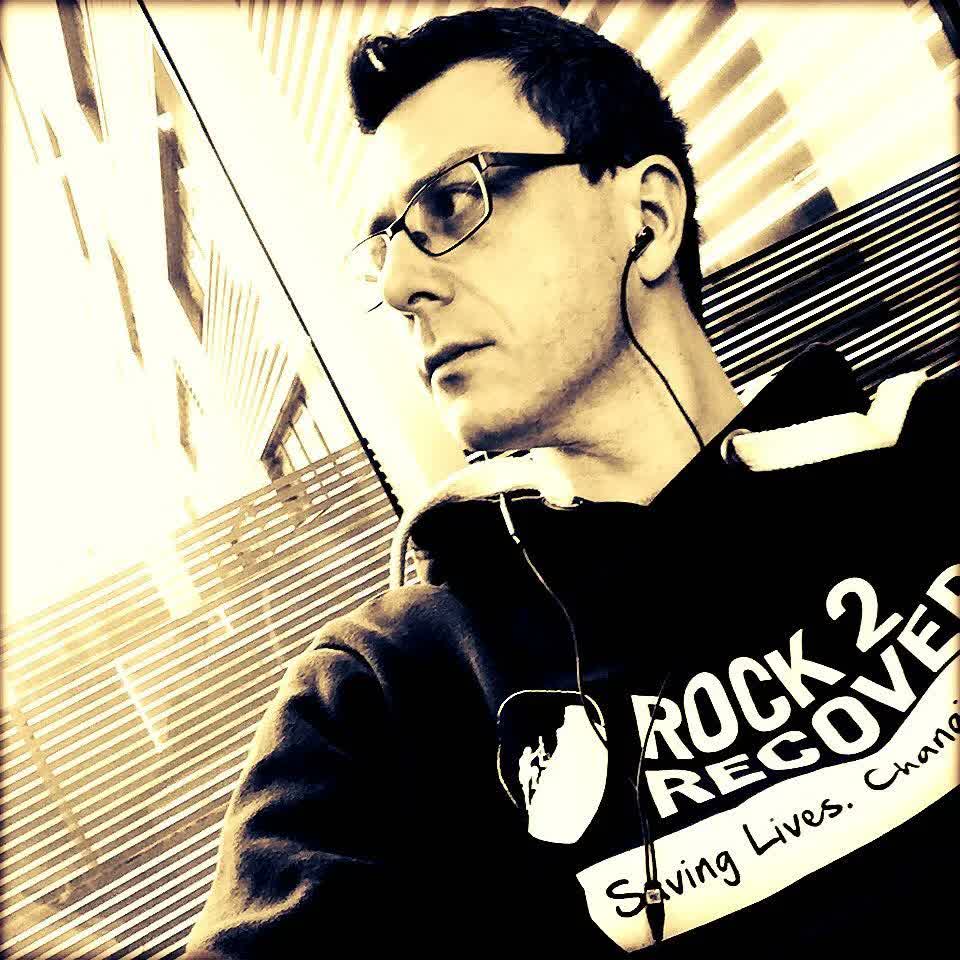
James has intentionally built his life around freedom, possibility and lots of discretionary time — not as abstract ideals, but as something tangible in the way he shapes his days and the life he creates with his family.
His days have space for drawing, guitar, reading and deep exploration; for training and martial arts; for family, long walks with his dog, and following where curiosity leads. That same freedom has enabled bigger choices too: when his daughters were seven and nine, James and his wife chose to take them out of regular school and spend a year travelling the world as a family, home-educating along the way — one expression of a longstanding commitment to creating a life less ordinary, lived on their own terms.
And this freedom has a solid grounding, also intentionally created: a family home in Edinburgh’s West End, owned outright; freedom from debt; and a life rich in options — one in which circumstances are less something to be constrained by and more something to create with.
For James, this is part of what the work looks like when fully lived: not ignoring the pragmatic demands of reality, but developing the freedom and adaptiveness to work creatively with 'what is' — choosing what matters, engaging deeply with it, and shaping a life around what personally counts.
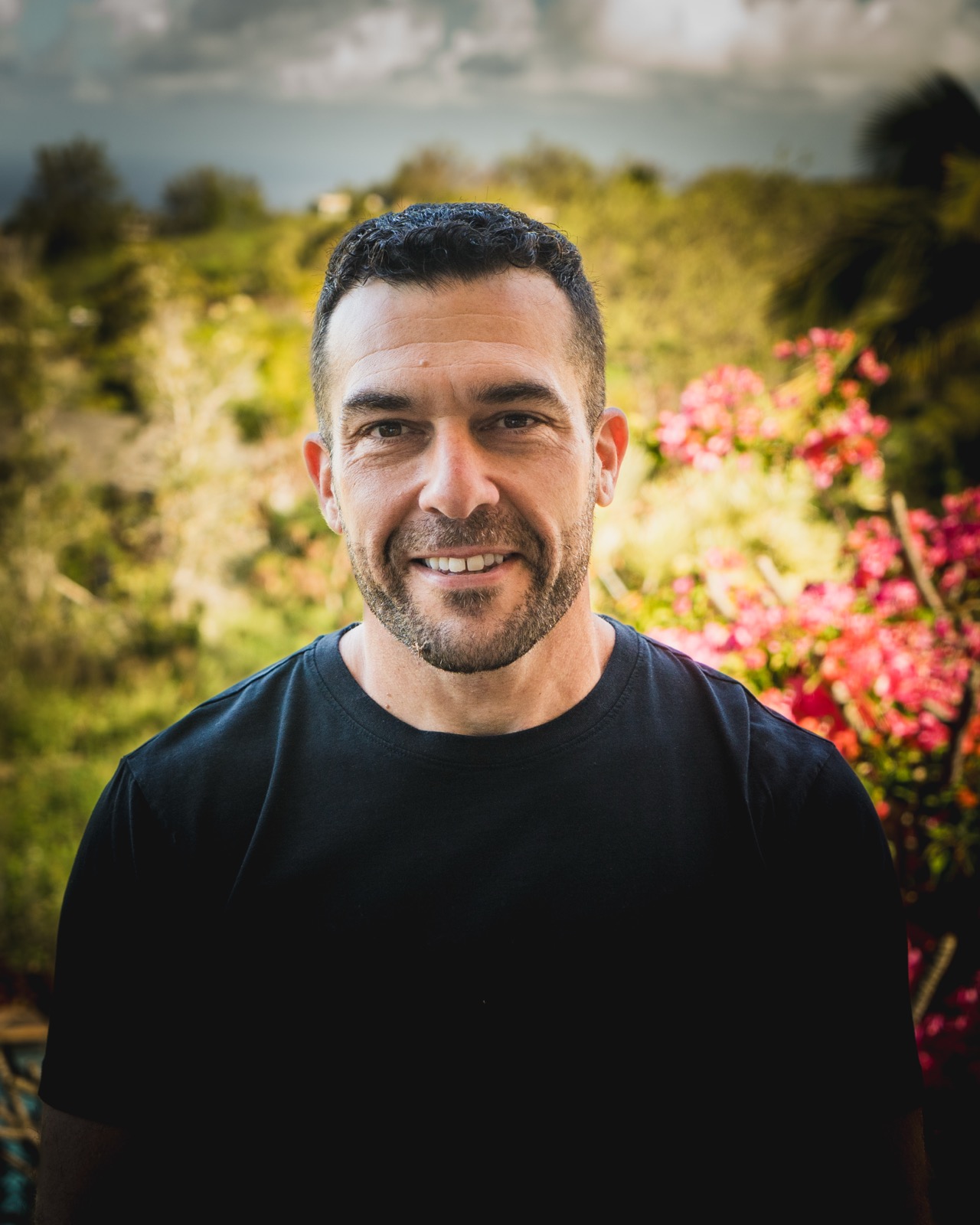
JP has intentionally built his life around freedom, love and creative responsibility — not as abstract values, but as something tangible in the way he shapes his work, his family life, his home and the conversations through which he creates.
His life is rooted on Happy Farm, a two-acre farm in Maui, with his wife Kalpna and their sons, Asher and Rumi. The land, the family, physical training, food, spiritual inquiry, conversation and community are not separate from his work; they are part of the world from which his work is created. Much of his business has been built through conversations with people he loves serving, and through courses, community and live events designed to help coaches and entrepreneurs become more free, loving and powerful.
That freedom has a material shape too: a home and farm purchased with money earned through coaching conversations; a body of work built around thinking, writing, speaking and live transformational rooms; and a life increasingly organised around the question of what creates more freedom, cash flow and joy.
For JP, this is part of what the work looks like when fully lived: creation begins in being, identity, worldview and perspective. As the place someone creates from changes, what they can see, say, choose and bring into existence changes with it.
Your guides
James’s work is centred on participation: how we meet the world, engage with circumstances and other people, and create good things with what life brings our way. With strong Taoist influences, the work is oriented towards what becomes possible when we loosen our grip on fixed ways of seeing and being, and discover greater freedom and adaptiveness in how we participate in life.
Drawing on more than three decades of exploration across generative changework, hypnotic facilitation, philosophy, martial arts and music, his work is about cultivating the agency and agility to meet life creatively — working with what is there to create more of what matters.
Practical philosopher, coach and founder of We Are Creating. His work helps coaches and entrepreneurs to become more free, loving and powerful through courses, conversations, community and live events. JP's primary orientation is being: identity, worldview, perspective and the inner organization from which action emerges.
The room
Creating Magic is designed for people who have already done significant inner work, appreciate philosophical depth and can stay present with paradox, ambiguity and challenge.
The room is for creators, leaders, coaches, facilitators, founders and serious practitioners who can discover an uncomfortable place of ineffectiveness with curiosity. James and JP are willing to let this work remain demanding. The room is for people who can meet them there.
It is also for people who have become highly capable at being who they are and can sense the limits of that success. The invitation is to hold who you are more lightly without losing groundedness or agency, so the future no longer has to remain perfectly consistent with the identity that created the last chapter.
The two days
This is an immersive experience and an initiation. Conversation will be central. There will be exploration, demonstrations and experiential work. James and JP will work directly with what arises in the room because the principle of utilization sits at the heart of the event.
The structure is prepared and deliberately responsive. A question can change the direction of the room. A demonstration can produce something unexpected. An experiment can fail and become useful. The group will create with what happens because responsiveness is part of what is being cultivated.
The small group is part of the technology of the event. Twelve participants means the live dynamics can matter, participant contribution can shape what happens and the room can become part of the curriculum.
The venue
Two days. Four rooms. Infinite possibilities.
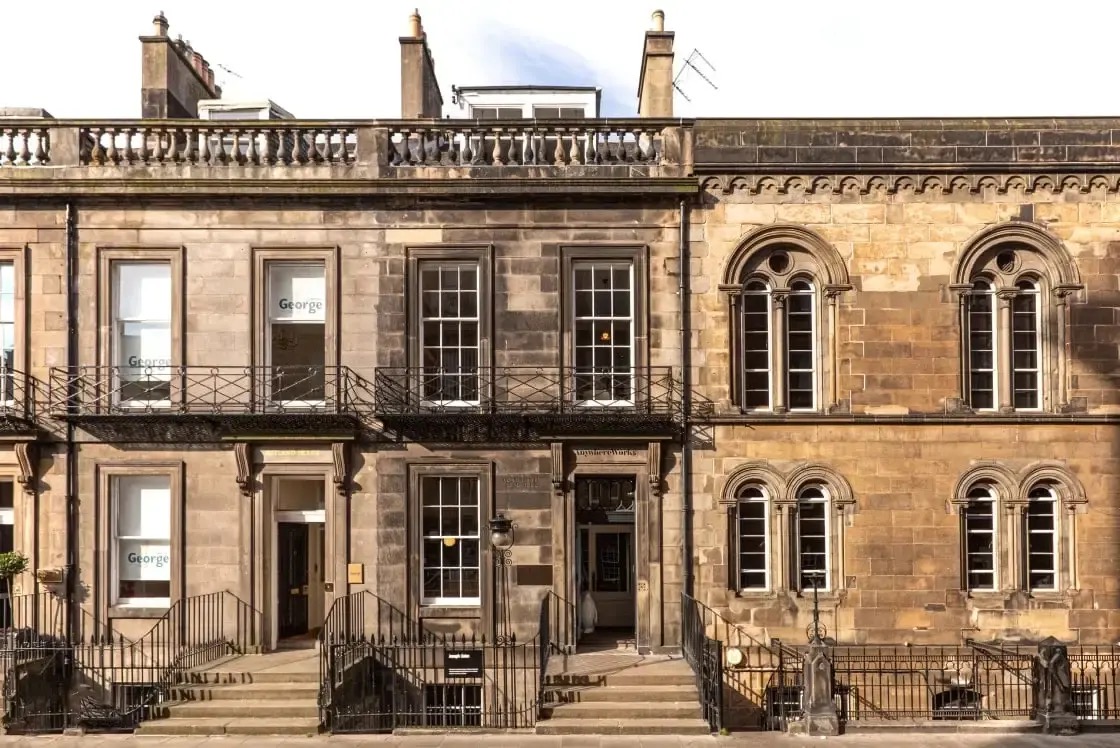
Set at 11 Rutland in the heart of Edinburgh, Lister Place describes itself as a home for collaboration, creativity and connection. For these two days, we have reserved the entire two top floors for our private use, giving the twelve participants a dedicated container for depth, privacy and uninterrupted work together.
Four rooms changes what the event can become. The group can move, divide and reconvene; create different kinds of spaces; follow what emerges; and change context physically as well as conceptually. The venue is not simply where the event happens. It is part of the container and part of the technology.
The building carries the name and legacy of Joseph Lister, whose work in antiseptic medicine changed what the world could see about healing, risk and possibility. That makes it an unusually fitting place for Creating Magic: historic, intimate and made for conversations where the room itself matters.
Reserve
Your current way of seeing and being is already creating your future. Waiting often means continuing to create from substantially the same place.
Edinburgh. October 8-9, 2026. James. JP. 12 participants. £2,500. If you already suspect more is available, this room is an opportunity to discover what becomes possible when your current reality stops functioning as the limit.
Reserve one of the twelve places